Home · Cats · Bengal
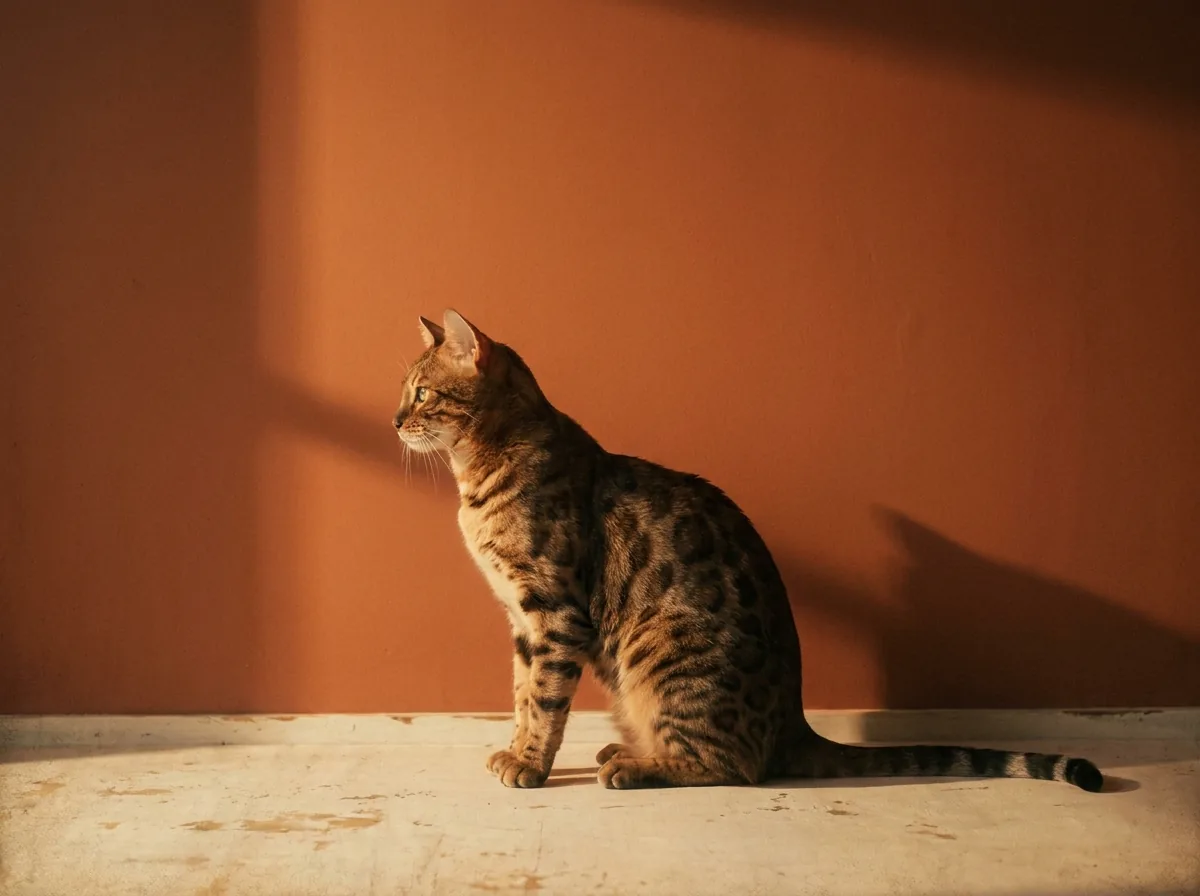
PWS·527 · CAT · UNITED STATES · MEDIUM
Bengal
The Bengal is a hybrid breed created by crossing domestic cats with the Asian leopard cat, resulting in a strikingly wild-patterned coat with distinctive spots or marbling. They are highly energetic, athletic, and intelligent cats that love to climb, swim, and interact with their owners. Bengals require significant mental and physical stimulation to stay happy and are best suited for active households.
Origin
United States
Size
Medium
Weight
3.5–7 kg
Lifespan
12–16 years
Section · 02 · Compatibility
Compatibility
Good with Kids
Yes
Good with Other Pets
Yes
Good for Apartments
Needs space
Section · 03 · Care Needs
Care Needs
Exercise Needs
High
Grooming
Low maintenance
Section · 04 · Common Health Issues
Common Health Issues
- Hypertrophic Cardiomyopathy
- Progressive Retinal Atrophy
- Flat-Chested Kitten Syndrome
Section · 05 · Diet Tips
Diet Tips
Bengals thrive on a high-protein, grain-free diet that mirrors the nutritional profile of their wild Asian leopard cat ancestry.
Section · 06 · Frequently asked questions
Frequently asked questions
Is the Bengal good with kids? +
Yes — the Bengal is generally tolerant with respectful children. Always supervise interactions and teach kids how to handle cats gently.
How long do Bengal cats live? +
On average, Bengal cats live 12–16 years. Indoor lifestyle, proper diet, and regular vet care extend lifespan.
Do Bengals shed a lot? +
Bengals have low grooming needs and shed minimally — weekly brushing is usually enough.
Is the Bengal good for apartments? +
The Bengal is active and benefits from larger spaces or access to safe outdoor enclosures.
What health issues are common in Bengals? +
Bengals can be prone to Hypertrophic Cardiomyopathy, Progressive Retinal Atrophy, Flat-Chested Kitten Syndrome. Annual vet visits and a quality diet help catch issues early.
Newsletter · PWS·527
Love Bengals?
Get our free new-Bengal-owner starter pack — feeding chart, vet checklist, and breed-specific name ideas.