Home · Cats · Cornish Rex
PWS·214 · CAT · UNITED KINGDOM · SMALL
Cornish Rex
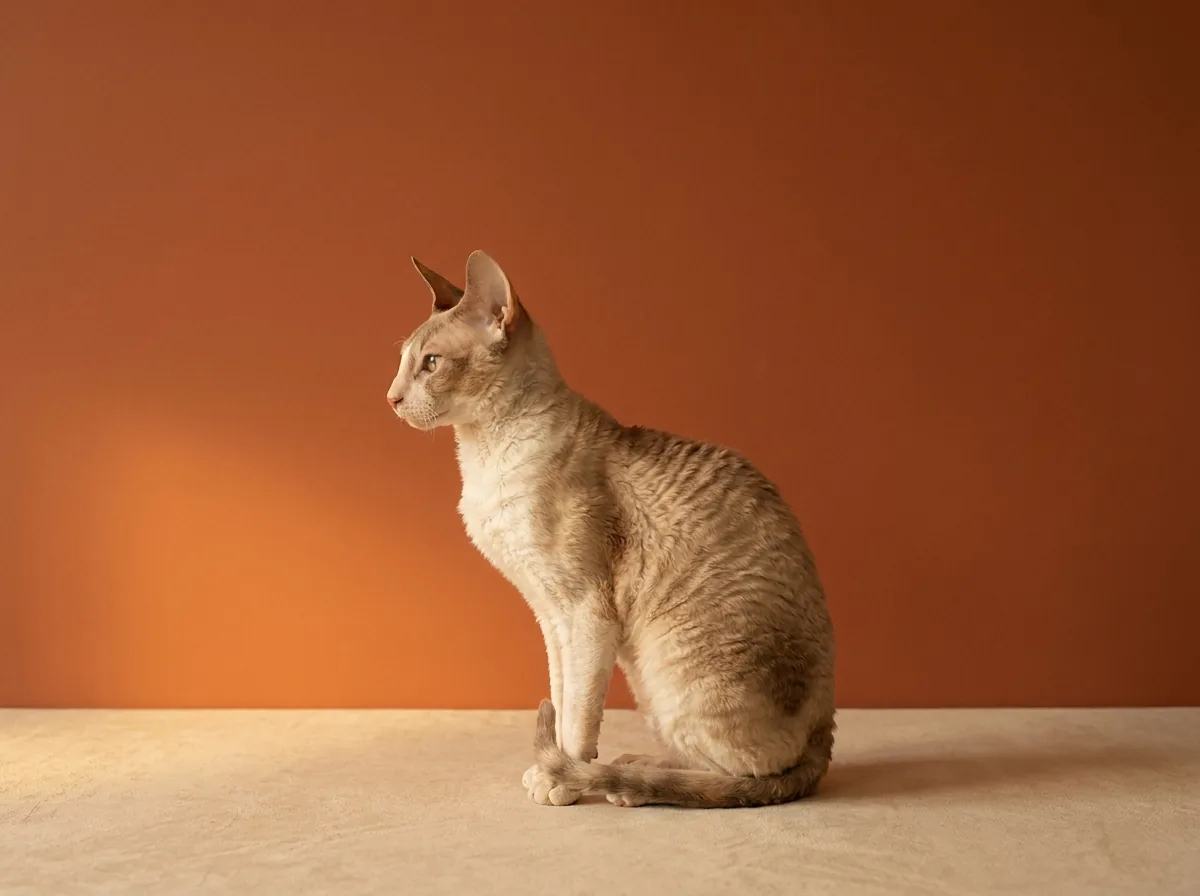
The Cornish Rex originated from a natural mutation in Cornwall, England in 1950, and is distinguished by its extremely soft, wavy coat that only has the fine undercoat layer, resembling velvet or crushed velvet. These active, acrobatic cats retain a kitten-like playfulness throughout their entire lives and love to run, jump, and retrieve toys. Their minimal shedding and low-dander coat make them a popular choice for people with mild cat allergies.
Origin
United Kingdom
Size
Small
Weight
2.5–4.5 kg
Lifespan
11–15 years
Section · 02 · Compatibility
Compatibility
Good with Kids
Yes
Good with Other Pets
Yes
Good for Apartments
Yes
Section · 03 · Care Needs
Care Needs
Exercise Needs
High
Grooming
Low maintenance
Section · 04 · Common Health Issues
Common Health Issues
- Hypertrophic Cardiomyopathy
- Blood Type B Incompatibility
- Hereditary Baldness
Section · 05 · Diet Tips
Diet Tips
Cornish Rex cats have a high metabolism and need calorie-dense, high-protein meals; they feel the cold easily so maintaining proper body weight is important.
Section · 06 · Frequently asked questions
Frequently asked questions
Is the Cornish Rex good with kids? +
Yes — the Cornish Rex is generally tolerant with respectful children. Always supervise interactions and teach kids how to handle cats gently.
How long do Cornish Rex cats live? +
On average, Cornish Rex cats live 11–15 years. Indoor lifestyle, proper diet, and regular vet care extend lifespan.
Do Cornish Rexs shed a lot? +
Cornish Rexs have low grooming needs and shed minimally — weekly brushing is usually enough.
Is the Cornish Rex good for apartments? +
Yes — the Cornish Rex adapts well to apartment living with vertical space (cat trees) and enrichment.
What health issues are common in Cornish Rexs? +
Cornish Rexs can be prone to Hypertrophic Cardiomyopathy, Blood Type B Incompatibility, Hereditary Baldness. Annual vet visits and a quality diet help catch issues early.
Newsletter · PWS·214
Love Cornish Rexs?
Get our free new-Cornish Rex-owner starter pack — feeding chart, vet checklist, and breed-specific name ideas.