Home · Cats · Exotic Shorthair
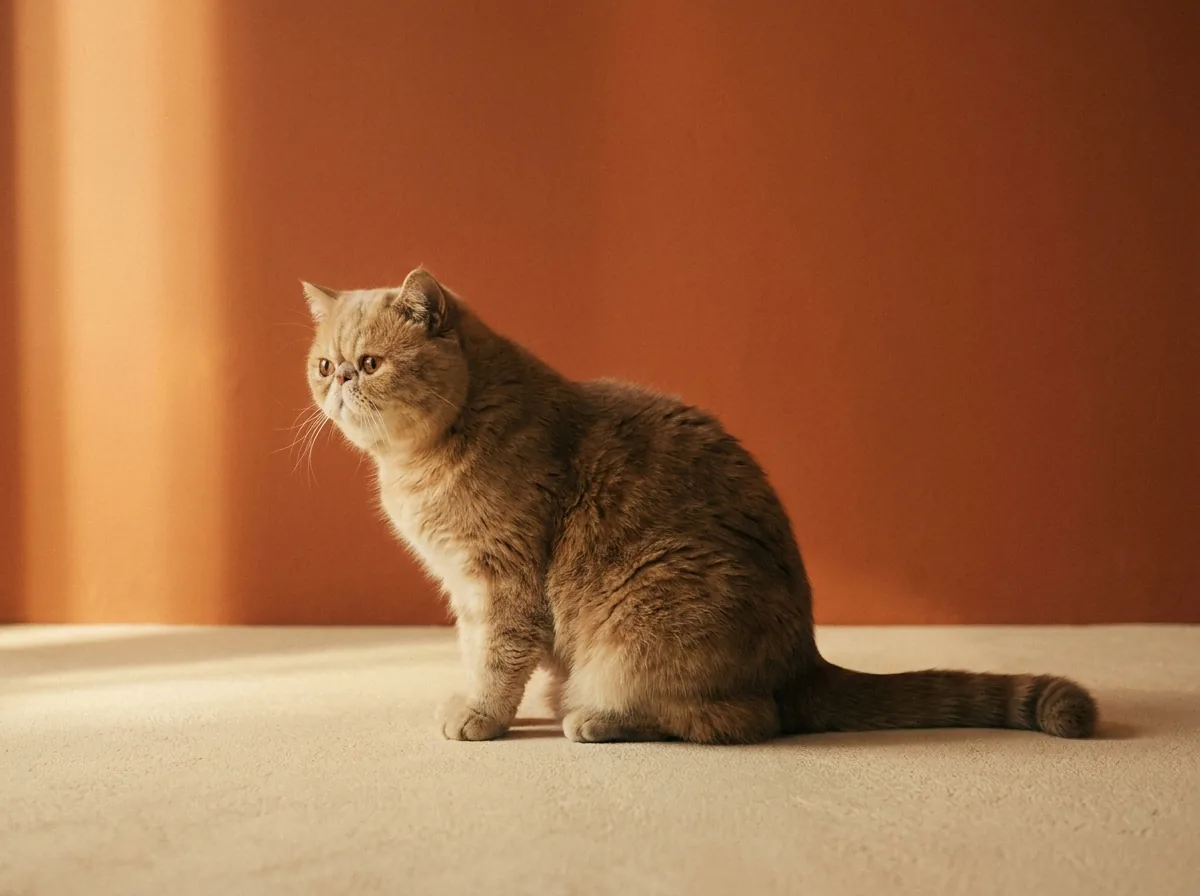
PWS·075 · CAT · UNITED STATES · MEDIUM
Exotic Shorthair
The Exotic Shorthair is essentially a shorthaired Persian, developed by crossing Persians with American Shorthairs to create a breed with the Persian's gentle temperament but a much more manageable coat. Often called the 'lazy man's Persian,' their plush, dense coat only requires twice-weekly brushing compared to the Persian's daily grooming. These sweet, affectionate cats are quiet, undemanding, and equally happy lounging or engaging in gentle play.
Origin
United States
Size
Medium
Weight
3.5–7 kg
Lifespan
12–15 years
Section · 02 · Compatibility
Compatibility
Good with Kids
Yes
Good with Other Pets
Yes
Good for Apartments
Yes
Section · 03 · Care Needs
Care Needs
Exercise Needs
Low
Grooming
Regular brushing
Section · 04 · Common Health Issues
Common Health Issues
- Brachycephalic Syndrome
- Polycystic Kidney Disease
- Eye Discharge
Section · 05 · Diet Tips
Diet Tips
Exotic Shorthairs do well on high-quality, protein-rich food in measured amounts to prevent obesity, with wet food helping manage their tendency toward urinary issues.
Section · 06 · Frequently asked questions
Frequently asked questions
Is the Exotic Shorthair good with kids? +
Yes — the Exotic Shorthair is generally tolerant with respectful children. Always supervise interactions and teach kids how to handle cats gently.
How long do Exotic Shorthair cats live? +
On average, Exotic Shorthair cats live 12–15 years. Indoor lifestyle, proper diet, and regular vet care extend lifespan.
Do Exotic Shorthairs shed a lot? +
Exotic Shorthairs shed moderately and benefit from brushing 2–3 times per week to control loose hair.
Is the Exotic Shorthair good for apartments? +
Yes — the Exotic Shorthair adapts well to apartment living with vertical space (cat trees) and enrichment.
What health issues are common in Exotic Shorthairs? +
Exotic Shorthairs can be prone to Brachycephalic Syndrome, Polycystic Kidney Disease, Eye Discharge. Annual vet visits and a quality diet help catch issues early.
Newsletter · PWS·075
Love Exotic Shorthairs?
Get our free new-Exotic Shorthair-owner starter pack — feeding chart, vet checklist, and breed-specific name ideas.