Home · Cats · Korat
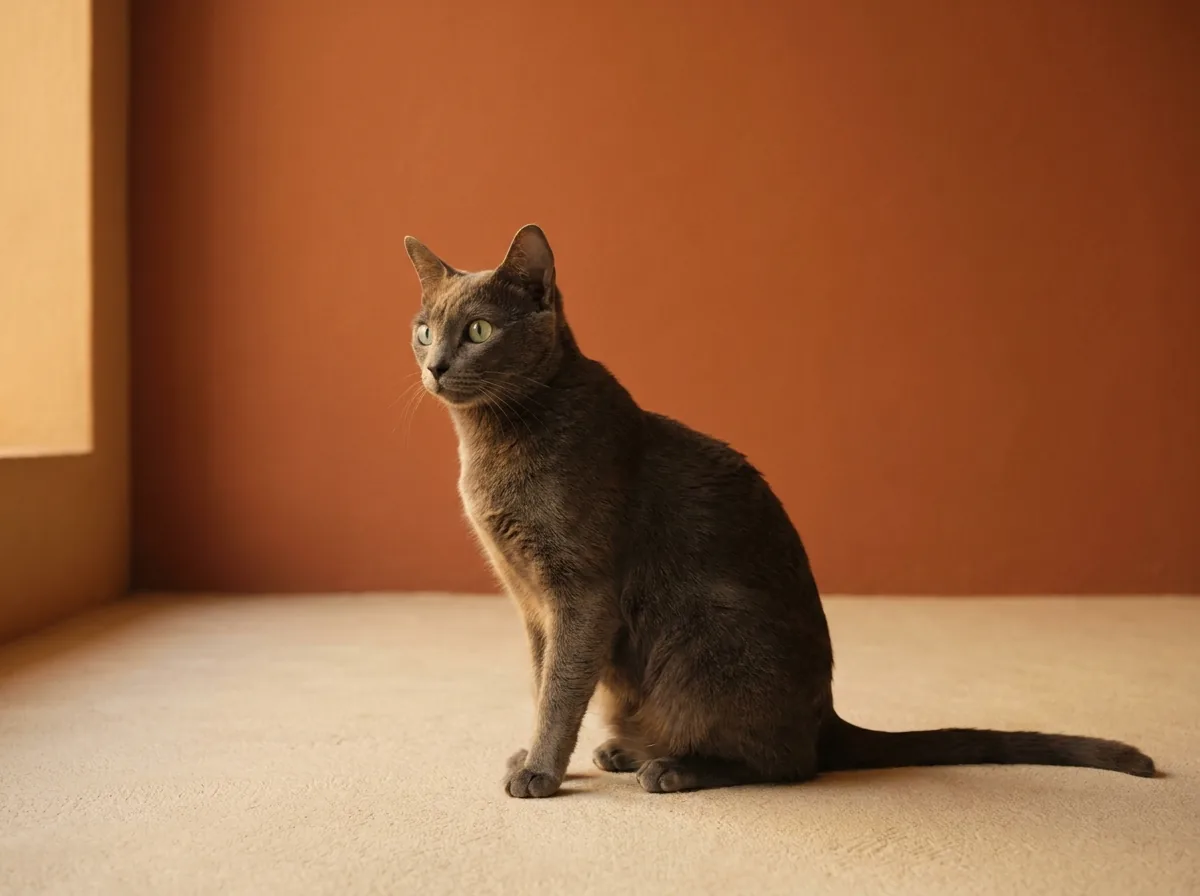
PWS·225 · CAT · THAILAND · SMALL
Korat
The Korat is one of the oldest and most stable natural cat breeds, originating from the Korat plateau in Thailand where it has been cherished for centuries as a symbol of good luck. Distinguished by its silver-tipped blue coat, heart-shaped face, and luminous peridot-green eyes, the Korat is a striking and rare breed. These gentle but strong-willed cats form intense bonds with their primary caregiver and can be possessive, preferring to be the only pet in the household.
Origin
Thailand
Size
Small
Weight
2.5–4.5 kg
Lifespan
12–15 years
Section · 02 · Compatibility
Compatibility
Good with Kids
Yes
Good with Other Pets
Not ideal
Good for Apartments
Yes
Section · 03 · Care Needs
Care Needs
Exercise Needs
Moderate
Grooming
Low maintenance
Section · 04 · Common Health Issues
Common Health Issues
- Gangliosidosis
- Hypertrophic Cardiomyopathy
- Respiratory Sensitivities
Section · 05 · Diet Tips
Diet Tips
Korats are a naturally lean breed and do well on a balanced high-protein diet; avoid over-supplementing as they can be sensitive to anesthetics and some medications.
Section · 06 · Frequently asked questions
Frequently asked questions
Is the Korat good with kids? +
Yes — the Korat is generally tolerant with respectful children. Always supervise interactions and teach kids how to handle cats gently.
How long do Korat cats live? +
On average, Korat cats live 12–15 years. Indoor lifestyle, proper diet, and regular vet care extend lifespan.
Do Korats shed a lot? +
Korats have low grooming needs and shed minimally — weekly brushing is usually enough.
Is the Korat good for apartments? +
Yes — the Korat adapts well to apartment living with vertical space (cat trees) and enrichment.
What health issues are common in Korats? +
Korats can be prone to Gangliosidosis, Hypertrophic Cardiomyopathy, Respiratory Sensitivities. Annual vet visits and a quality diet help catch issues early.
Newsletter · PWS·225
Love Korats?
Get our free new-Korat-owner starter pack — feeding chart, vet checklist, and breed-specific name ideas.