Home · Cats · Manx
PWS·966 · CAT · ISLE OF MAN · MEDIUM
Manx
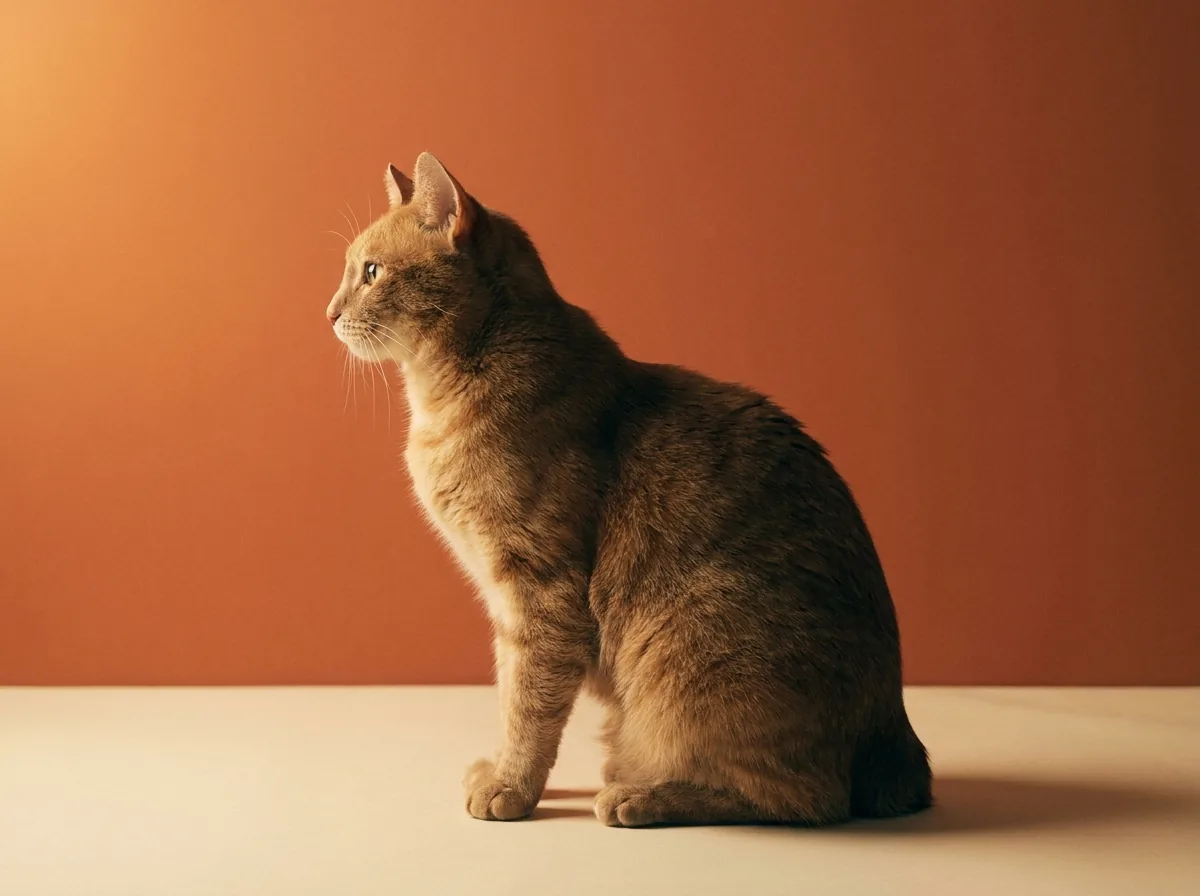
The Manx is an ancient breed from the Isle of Man, best known for its natural taillessness caused by a dominant genetic mutation; cats range from completely tailless ('rumpies') to having a short stump ('stumpies'). Despite their unusual appearance, Manx cats are athletic and surprisingly fast, known for their rabbit-like hopping gait. These loyal, dog-like cats often learn to fetch, enjoy car rides, and can even be taught to walk on a leash.
Origin
Isle of Man
Size
Medium
Weight
3.5–6.5 kg
Lifespan
12–14 years
Section · 02 · Compatibility
Compatibility
Good with Kids
Yes
Good with Other Pets
Yes
Good for Apartments
Yes
Section · 03 · Care Needs
Care Needs
Exercise Needs
Moderate
Grooming
Low maintenance
Section · 04 · Common Health Issues
Common Health Issues
- Manx Syndrome
- Spina Bifida
- Corneal Dystrophy
Section · 05 · Diet Tips
Diet Tips
Manx cats benefit from a high-fiber, high-protein diet to help manage their predisposition to constipation and bowel issues related to their taillessness gene.
Section · 06 · Frequently asked questions
Frequently asked questions
Is the Manx good with kids? +
Yes — the Manx is generally tolerant with respectful children. Always supervise interactions and teach kids how to handle cats gently.
How long do Manx cats live? +
On average, Manx cats live 12–14 years. Indoor lifestyle, proper diet, and regular vet care extend lifespan.
Do Manxs shed a lot? +
Manxs have low grooming needs and shed minimally — weekly brushing is usually enough.
Is the Manx good for apartments? +
Yes — the Manx adapts well to apartment living with vertical space (cat trees) and enrichment.
What health issues are common in Manxs? +
Manxs can be prone to Manx Syndrome, Spina Bifida, Corneal Dystrophy. Annual vet visits and a quality diet help catch issues early.
Newsletter · PWS·966
Love Manxs?
Get our free new-Manx-owner starter pack — feeding chart, vet checklist, and breed-specific name ideas.