Home · Cats · Norwegian Forest Cat
PWS·813 · CAT · NORWAY · LARGE
Norwegian Forest Cat
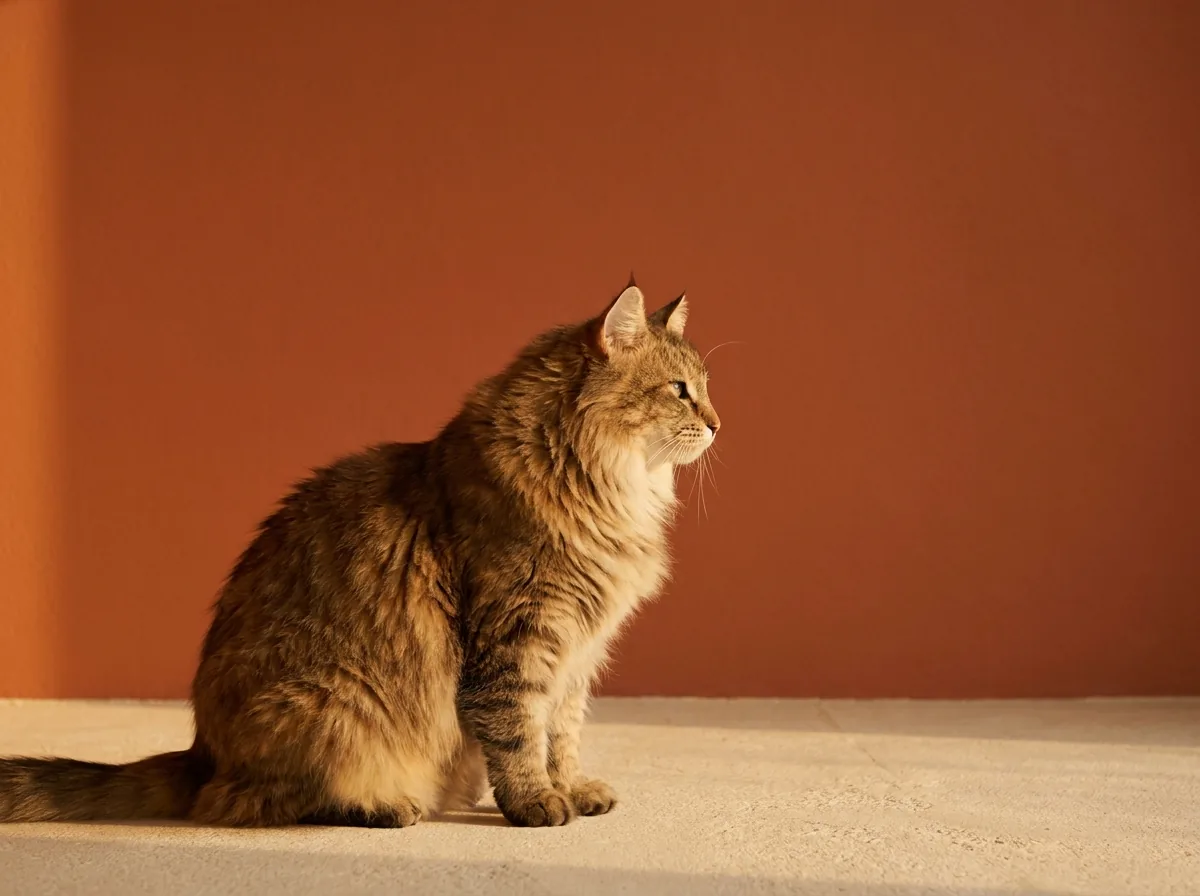
The Norwegian Forest Cat, known as 'Norsk Skogkatt' in its homeland, is a large, sturdy breed adapted for cold Scandinavian climates, featuring a thick double coat with a water-resistant topcoat. These independent but friendly cats are skilled climbers and hunters with strong outdoor instincts. Despite their wild appearance, they are gentle and affectionate with family members and adapt well to homes with outdoor access.
Origin
Norway
Size
Large
Weight
4–9 kg
Lifespan
12–16 years
Section · 02 · Compatibility
Compatibility
Good with Kids
Yes
Good with Other Pets
Yes
Good for Apartments
Needs space
Section · 03 · Care Needs
Care Needs
Exercise Needs
Moderate
Grooming
Regular brushing
Section · 04 · Common Health Issues
Common Health Issues
- Hypertrophic Cardiomyopathy
- Glycogen Storage Disease
- Hip Dysplasia
Section · 05 · Diet Tips
Diet Tips
Norwegian Forest Cats benefit from a protein-rich diet to maintain their muscular build, with careful calorie monitoring to prevent obesity as they age.
Section · 06 · Frequently asked questions
Frequently asked questions
Is the Norwegian Forest Cat good with kids? +
Yes — the Norwegian Forest Cat is generally tolerant with respectful children. Always supervise interactions and teach kids how to handle cats gently.
How long do Norwegian Forest Cat cats live? +
On average, Norwegian Forest Cat cats live 12–16 years. Indoor lifestyle, proper diet, and regular vet care extend lifespan.
Do Norwegian Forest Cats shed a lot? +
Norwegian Forest Cats shed moderately and benefit from brushing 2–3 times per week to control loose hair.
Is the Norwegian Forest Cat good for apartments? +
The Norwegian Forest Cat is active and benefits from larger spaces or access to safe outdoor enclosures.
What health issues are common in Norwegian Forest Cats? +
Norwegian Forest Cats can be prone to Hypertrophic Cardiomyopathy, Glycogen Storage Disease, Hip Dysplasia. Annual vet visits and a quality diet help catch issues early.
Newsletter · PWS·813
Love Norwegian Forest Cats?
Get our free new-Norwegian Forest Cat-owner starter pack — feeding chart, vet checklist, and breed-specific name ideas.