Home · Cats · Ocicat
PWS·657 · CAT · UNITED STATES · MEDIUM
Ocicat
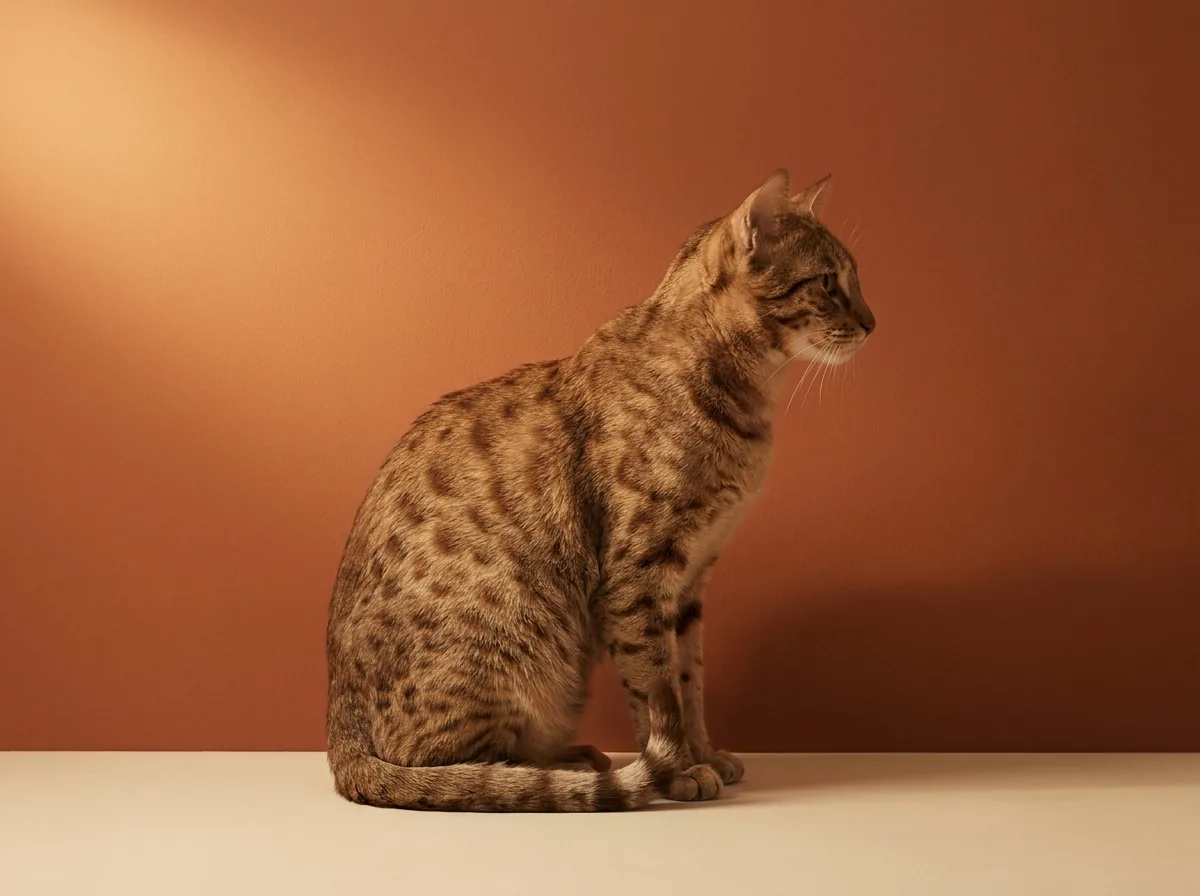
The Ocicat is a wholly domestic breed that resembles a wild ocelot but has no wild DNA, created accidentally by crossing Abyssinians, Siamese, and American Shorthairs. These athletic, spotted cats are highly people-oriented, often described as having a dog-like personality — they greet guests, can be leash-trained, and respond to their name. Ocicats are sociable and adaptable, but their high energy means they need space and enrichment to thrive.
Origin
United States
Size
Medium
Weight
3–6.5 kg
Lifespan
12–15 years
Section · 02 · Compatibility
Compatibility
Good with Kids
Yes
Good with Other Pets
Yes
Good for Apartments
Needs space
Section · 03 · Care Needs
Care Needs
Exercise Needs
High
Grooming
Low maintenance
Section · 04 · Common Health Issues
Common Health Issues
- Hypertrophic Cardiomyopathy
- Liver Amyloidosis
- Periodontal Disease
Section · 05 · Diet Tips
Diet Tips
Ocicats need a high-protein, calorie-appropriate diet to fuel their athletic build and active lifestyle; regular dental care and dental-health foods are beneficial.
Section · 06 · Frequently asked questions
Frequently asked questions
Is the Ocicat good with kids? +
Yes — the Ocicat is generally tolerant with respectful children. Always supervise interactions and teach kids how to handle cats gently.
How long do Ocicat cats live? +
On average, Ocicat cats live 12–15 years. Indoor lifestyle, proper diet, and regular vet care extend lifespan.
Do Ocicats shed a lot? +
Ocicats have low grooming needs and shed minimally — weekly brushing is usually enough.
Is the Ocicat good for apartments? +
The Ocicat is active and benefits from larger spaces or access to safe outdoor enclosures.
What health issues are common in Ocicats? +
Ocicats can be prone to Hypertrophic Cardiomyopathy, Liver Amyloidosis, Periodontal Disease. Annual vet visits and a quality diet help catch issues early.
Newsletter · PWS·657
Love Ocicats?
Get our free new-Ocicat-owner starter pack — feeding chart, vet checklist, and breed-specific name ideas.