Home · Cats · Persian
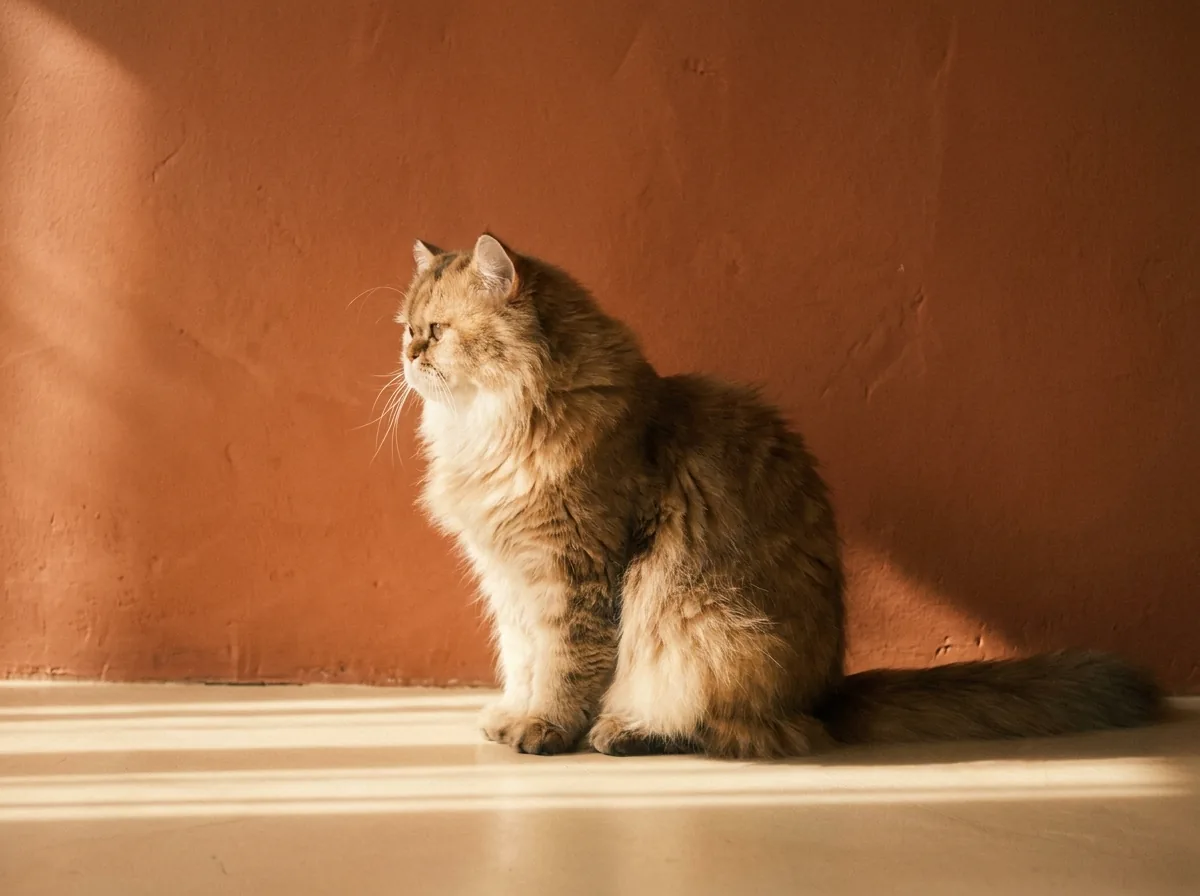
PWS·096 · CAT · IRAN · MEDIUM
Persian
The Persian is one of the oldest and most recognizable cat breeds, known for its luxurious long coat, flat face, and serene temperament. These calm, gentle cats thrive in quiet environments and form deep bonds with their owners. Daily grooming is essential to keep their dense coat free of mats and tangles.
Origin
Iran
Size
Medium
Weight
3.5–7 kg
Lifespan
12–17 years
Section · 02 · Compatibility
Compatibility
Good with Kids
Yes
Good with Other Pets
Yes
Good for Apartments
Yes
Section · 03 · Care Needs
Care Needs
Exercise Needs
Low
Grooming
Professional grooming
Section · 04 · Common Health Issues
Common Health Issues
- Polycystic Kidney Disease
- Brachycephalic Syndrome
- Dental Malocclusion
Section · 05 · Diet Tips
Diet Tips
Feed high-quality protein-rich food in measured portions to prevent obesity, as Persians are prone to weight gain due to their sedentary nature.
Section · 06 · Frequently asked questions
Frequently asked questions
Is the Persian good with kids? +
Yes — the Persian is generally tolerant with respectful children. Always supervise interactions and teach kids how to handle cats gently.
How long do Persian cats live? +
On average, Persian cats live 12–17 years. Indoor lifestyle, proper diet, and regular vet care extend lifespan.
Do Persians shed a lot? +
Persians have heavy coats and need daily brushing plus occasional professional grooming to manage shedding and prevent mats.
Is the Persian good for apartments? +
Yes — the Persian adapts well to apartment living with vertical space (cat trees) and enrichment.
What health issues are common in Persians? +
Persians can be prone to Polycystic Kidney Disease, Brachycephalic Syndrome, Dental Malocclusion. Annual vet visits and a quality diet help catch issues early.
Newsletter · PWS·096
Love Persians?
Get our free new-Persian-owner starter pack — feeding chart, vet checklist, and breed-specific name ideas.