Home · Cats · Ragdoll
PWS·067 · CAT · UNITED STATES · LARGE
Ragdoll
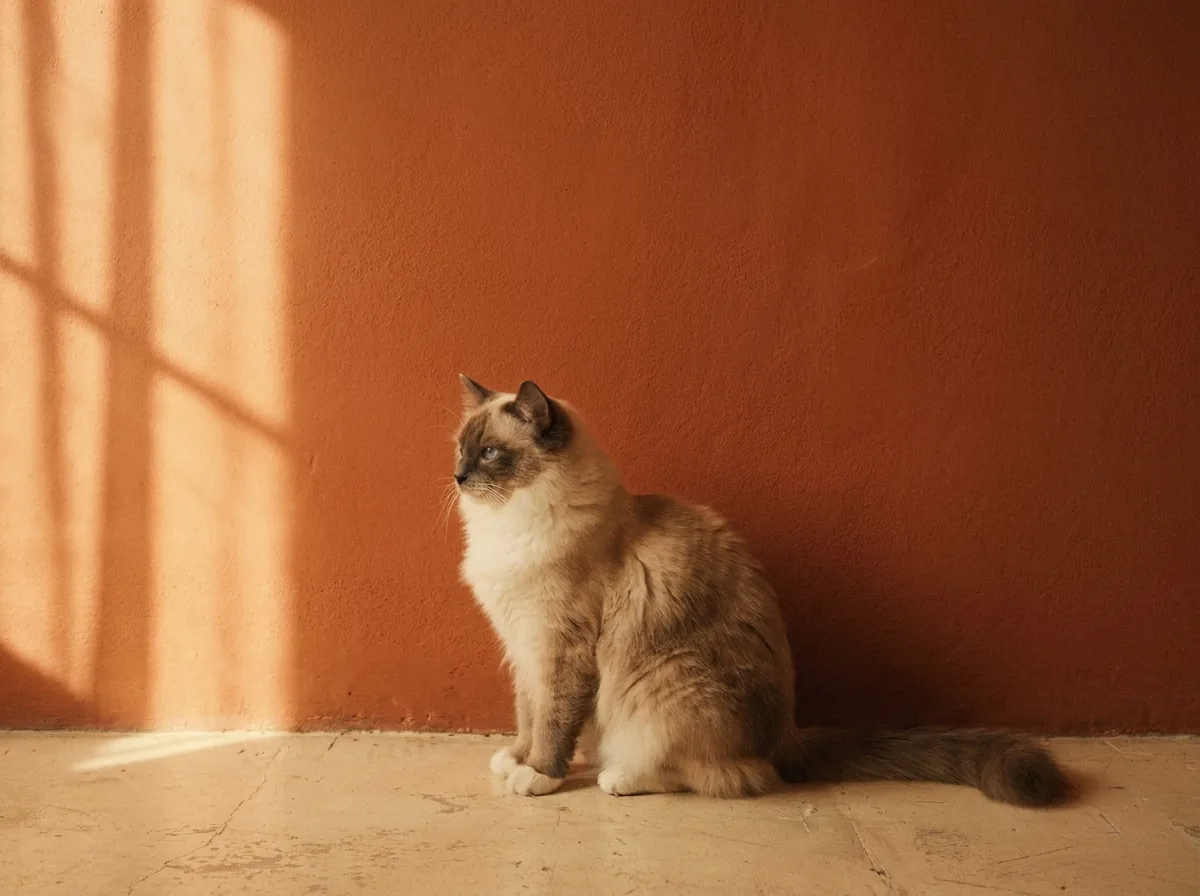
The Ragdoll is a large, semi-longhaired breed famous for going limp when picked up, much like a ragdoll, which inspired the breed's name. Developed in California in the 1960s, these blue-eyed beauties are exceptionally gentle and trusting, often following their owners from room to room. Ragdolls are ideal indoor companions due to their calm nature and tendency to not defend themselves well outdoors.
Origin
United States
Size
Large
Weight
4.5–9 kg
Lifespan
12–17 years
Section · 02 · Compatibility
Compatibility
Good with Kids
Yes
Good with Other Pets
Yes
Good for Apartments
Yes
Section · 03 · Care Needs
Care Needs
Exercise Needs
Low
Grooming
Regular brushing
Section · 04 · Common Health Issues
Common Health Issues
- Hypertrophic Cardiomyopathy
- Bladder Stones
- Obesity
Section · 05 · Diet Tips
Diet Tips
Ragdolls do well on a balanced diet with controlled portions, as their laid-back nature makes them prone to weight gain; wet food helps maintain hydration.
Section · 06 · Frequently asked questions
Frequently asked questions
Is the Ragdoll good with kids? +
Yes — the Ragdoll is generally tolerant with respectful children. Always supervise interactions and teach kids how to handle cats gently.
How long do Ragdoll cats live? +
On average, Ragdoll cats live 12–17 years. Indoor lifestyle, proper diet, and regular vet care extend lifespan.
Do Ragdolls shed a lot? +
Ragdolls shed moderately and benefit from brushing 2–3 times per week to control loose hair.
Is the Ragdoll good for apartments? +
Yes — the Ragdoll adapts well to apartment living with vertical space (cat trees) and enrichment.
What health issues are common in Ragdolls? +
Ragdolls can be prone to Hypertrophic Cardiomyopathy, Bladder Stones, Obesity. Annual vet visits and a quality diet help catch issues early.
Newsletter · PWS·067
Love Ragdolls?
Get our free new-Ragdoll-owner starter pack — feeding chart, vet checklist, and breed-specific name ideas.