Home · Cats · Scottish Fold
PWS·223 · CAT · SCOTLAND · MEDIUM
Scottish Fold
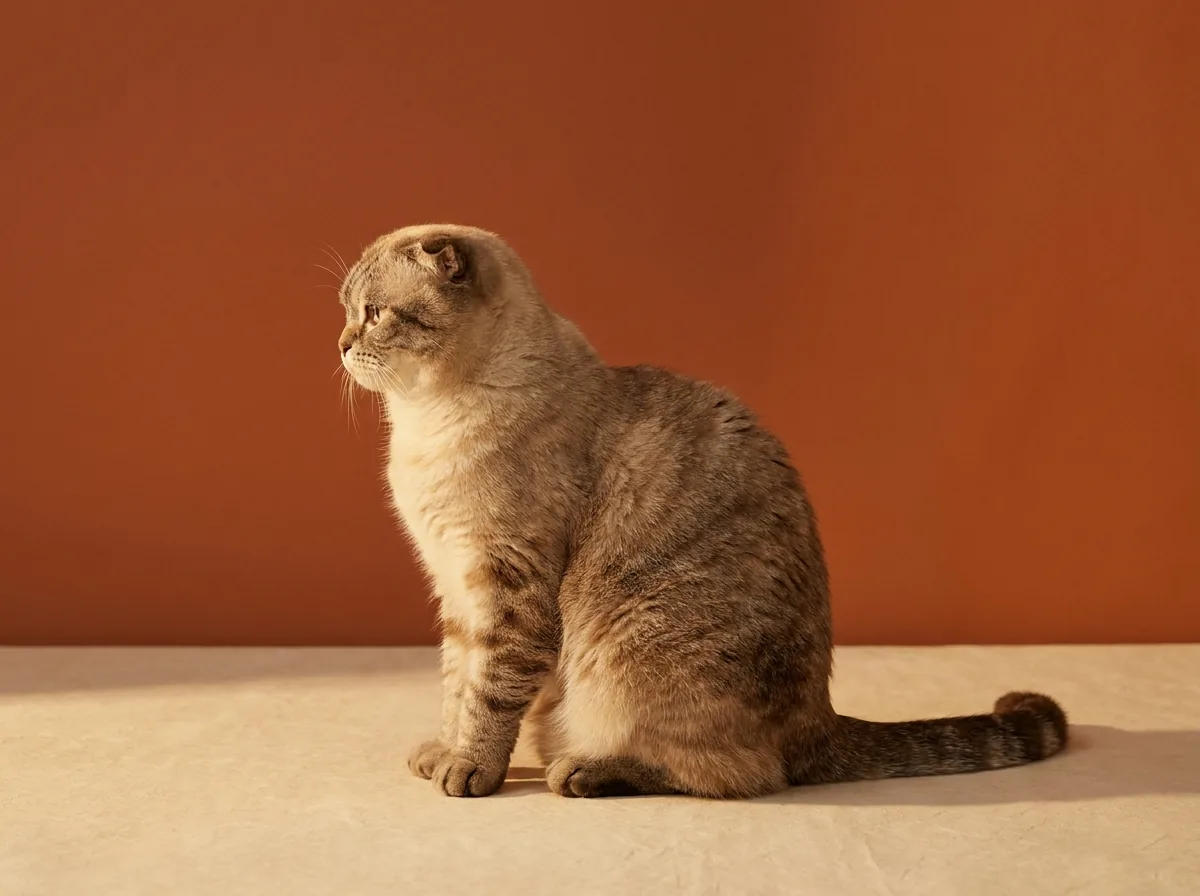
The Scottish Fold is instantly recognizable by its unique folded ears, caused by a natural dominant gene mutation, giving the cat an owl-like appearance. These sweet-natured cats are known for sitting in unusual positions, including upright like a meerkat or flat on their backs. They are adaptable, calm, and enjoy interactive play, though the genetic mutation responsible for their folded ears is also linked to serious skeletal health concerns.
Origin
Scotland
Size
Medium
Weight
2.5–6 kg
Lifespan
11–15 years
Section · 02 · Compatibility
Compatibility
Good with Kids
Yes
Good with Other Pets
Yes
Good for Apartments
Yes
Section · 03 · Care Needs
Care Needs
Exercise Needs
Moderate
Grooming
Low maintenance
Section · 04 · Common Health Issues
Common Health Issues
- Osteochondrodysplasia
- Polycystic Kidney Disease
- Heart Disease
Section · 05 · Diet Tips
Diet Tips
Scottish Folds benefit from a balanced diet with joint-supporting supplements like omega-3 fatty acids and glucosamine due to their genetic predisposition to cartilage issues.
Section · 06 · Frequently asked questions
Frequently asked questions
Is the Scottish Fold good with kids? +
Yes — the Scottish Fold is generally tolerant with respectful children. Always supervise interactions and teach kids how to handle cats gently.
How long do Scottish Fold cats live? +
On average, Scottish Fold cats live 11–15 years. Indoor lifestyle, proper diet, and regular vet care extend lifespan.
Do Scottish Folds shed a lot? +
Scottish Folds have low grooming needs and shed minimally — weekly brushing is usually enough.
Is the Scottish Fold good for apartments? +
Yes — the Scottish Fold adapts well to apartment living with vertical space (cat trees) and enrichment.
What health issues are common in Scottish Folds? +
Scottish Folds can be prone to Osteochondrodysplasia, Polycystic Kidney Disease, Heart Disease. Annual vet visits and a quality diet help catch issues early.
Newsletter · PWS·223
Love Scottish Folds?
Get our free new-Scottish Fold-owner starter pack — feeding chart, vet checklist, and breed-specific name ideas.