Home · Cats · Sphynx
PWS·792 · CAT · CANADA · MEDIUM
Sphynx
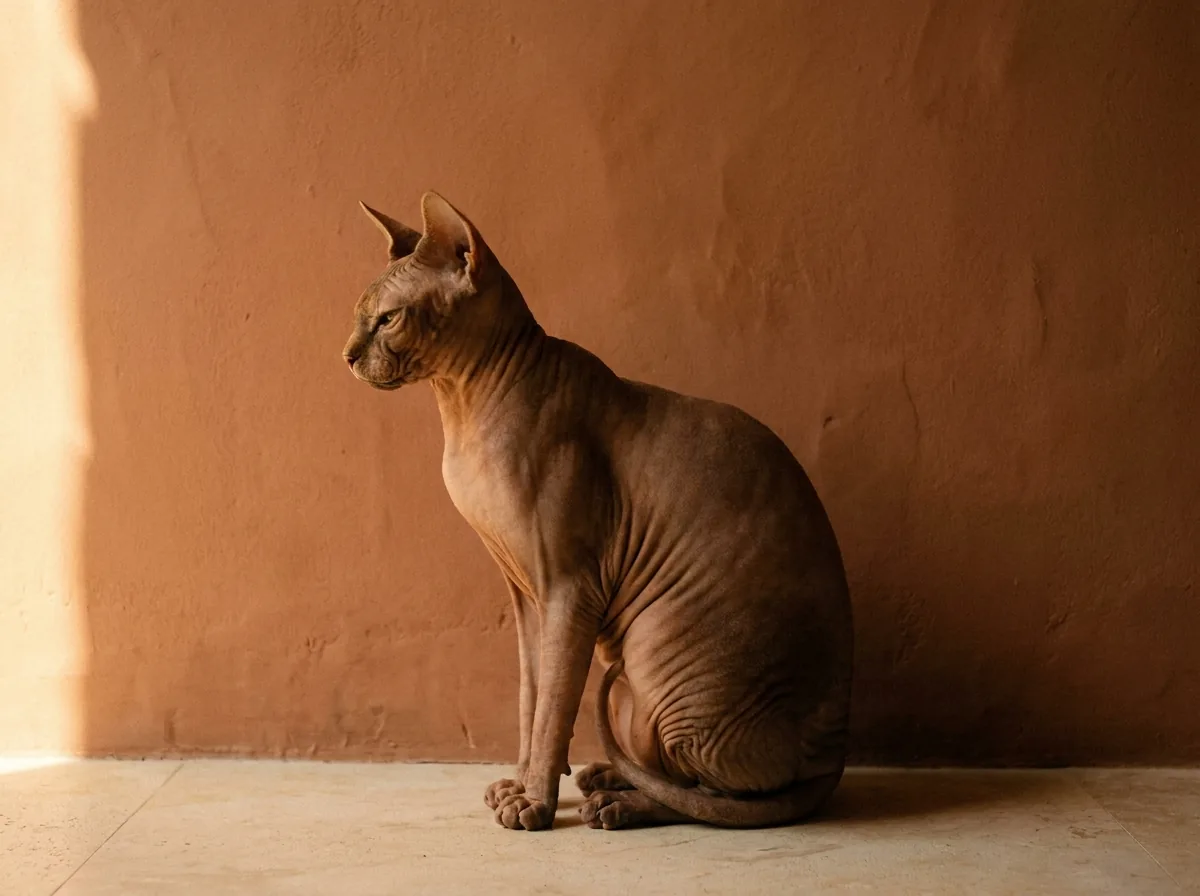
The Sphynx is a distinctive hairless breed that originated from a natural genetic mutation in Canada in the 1960s, known for its wrinkled skin, large ears, and warm, suede-like body. Despite their alien appearance, Sphynx cats are among the most affectionate and people-oriented breeds, craving constant attention and warmth. Regular bathing is required to remove oil buildup on the skin, as they lack fur to absorb natural body oils.
Origin
Canada
Size
Medium
Weight
3–6 kg
Lifespan
12–16 years
Section · 02 · Compatibility
Compatibility
Good with Kids
Yes
Good with Other Pets
Yes
Good for Apartments
Yes
Section · 03 · Care Needs
Care Needs
Exercise Needs
Moderate
Grooming
Regular brushing
Section · 04 · Common Health Issues
Common Health Issues
- Hypertrophic Cardiomyopathy
- Hereditary Myopathy
- Skin Conditions
Section · 05 · Diet Tips
Diet Tips
Sphynx cats have a faster metabolism due to body heat regulation needs and require calorie-dense, high-protein meals fed multiple times a day.
Section · 06 · Frequently asked questions
Frequently asked questions
Is the Sphynx good with kids? +
Yes — the Sphynx is generally tolerant with respectful children. Always supervise interactions and teach kids how to handle cats gently.
How long do Sphynx cats live? +
On average, Sphynx cats live 12–16 years. Indoor lifestyle, proper diet, and regular vet care extend lifespan.
Do Sphynxs shed a lot? +
Sphynxs shed moderately and benefit from brushing 2–3 times per week to control loose hair.
Is the Sphynx good for apartments? +
Yes — the Sphynx adapts well to apartment living with vertical space (cat trees) and enrichment.
What health issues are common in Sphynxs? +
Sphynxs can be prone to Hypertrophic Cardiomyopathy, Hereditary Myopathy, Skin Conditions. Annual vet visits and a quality diet help catch issues early.
Newsletter · PWS·792
Love Sphynxs?
Get our free new-Sphynx-owner starter pack — feeding chart, vet checklist, and breed-specific name ideas.