Home · Dogs · Basenji
PWS·372 · DOG · DEMOCRATIC REPUBLIC OF CONGO · SMALL
Basenji
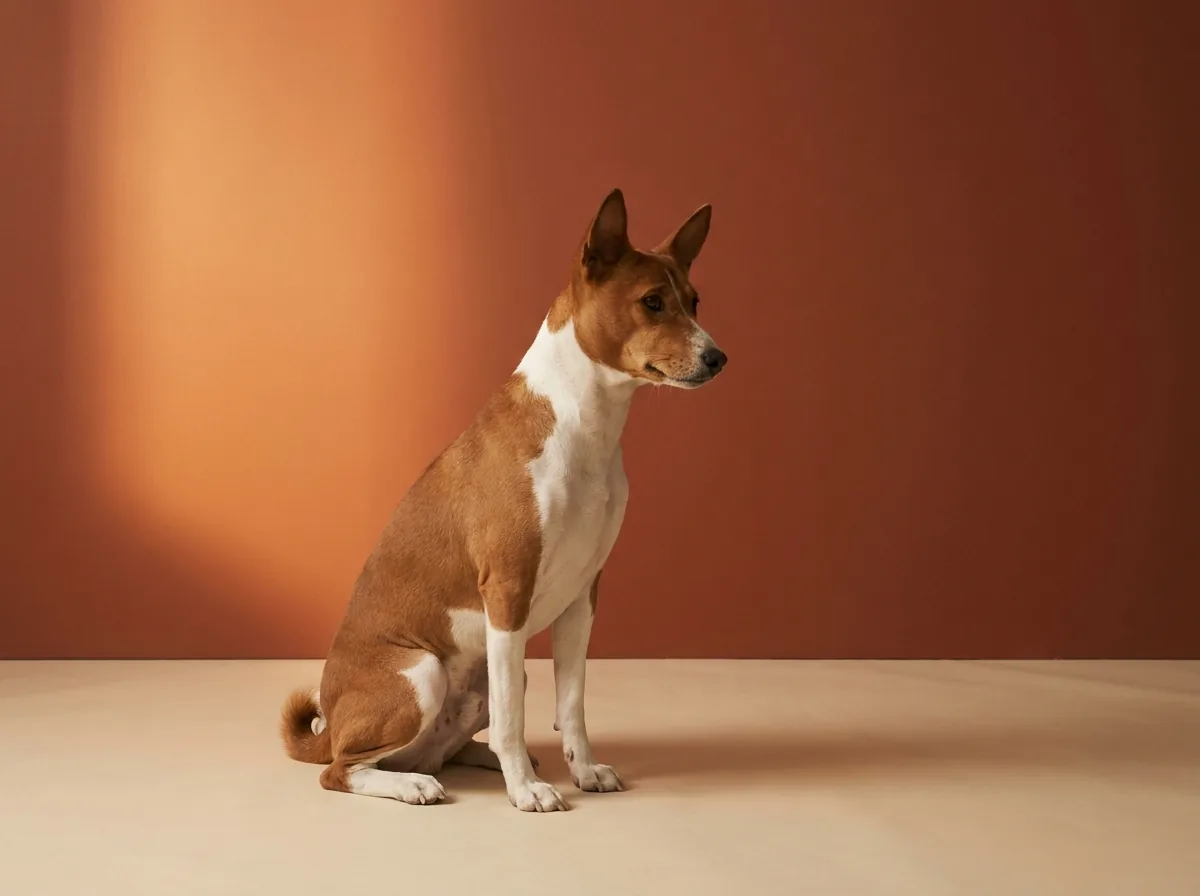
The Basenji is an ancient hunting dog from Central Africa that is famously known as the 'barkless dog' because it does not bark, instead making a yodeling sound. One of the oldest domesticated dog breeds, they appear in ancient Egyptian artifacts. Basenjis are catlike in their behavior — fastidiously clean, independent, and aloof with strangers.
Origin
Democratic Republic of Congo
Size
Small
Weight
9–11 kg
Lifespan
13–14 years
Section · 02 · Compatibility
Compatibility
Good with Kids
Not recommended
Good with Other Pets
Not ideal
Good for Apartments
Yes
Section · 03 · Care Needs
Care Needs
Exercise Needs
High
Grooming
Low maintenance
Section · 04 · Common Health Issues
Common Health Issues
- Fanconi Syndrome
- Progressive Retinal Atrophy
- Hip Dysplasia
Section · 05 · Diet Tips
Diet Tips
Feed a high-quality, lean-protein diet and monitor kidney function due to Fanconi syndrome risk.
Section · 06 · Frequently asked questions
Frequently asked questions
Is the Basenji good with kids? +
The Basenji is not typically the best choice for households with young children. They can do well with older, dog-savvy kids and proper socialization.
How much exercise does a Basenji need? +
The Basenji has high exercise needs — at least 60–90 minutes of vigorous activity daily, plus mental stimulation.
How long do Basenjis live? +
On average, Basenjis live 13–14 years. Lifespan depends on genetics, diet, exercise, and proactive vet care.
Is the Basenji good for apartments? +
Yes — the Basenji can adapt well to apartment living as long as their daily exercise needs are met.
What health issues are common in Basenjis? +
Basenjis can be prone to Fanconi Syndrome, Progressive Retinal Atrophy, Hip Dysplasia. Working with a reputable breeder and routine vet check-ups help catch issues early.
Newsletter · PWS·372
Love Basenjis?
Get our free new-Basenji-owner starter pack — feeding chart, vet checklist, and breed-specific name ideas.