Home · Dogs · German Shepherd
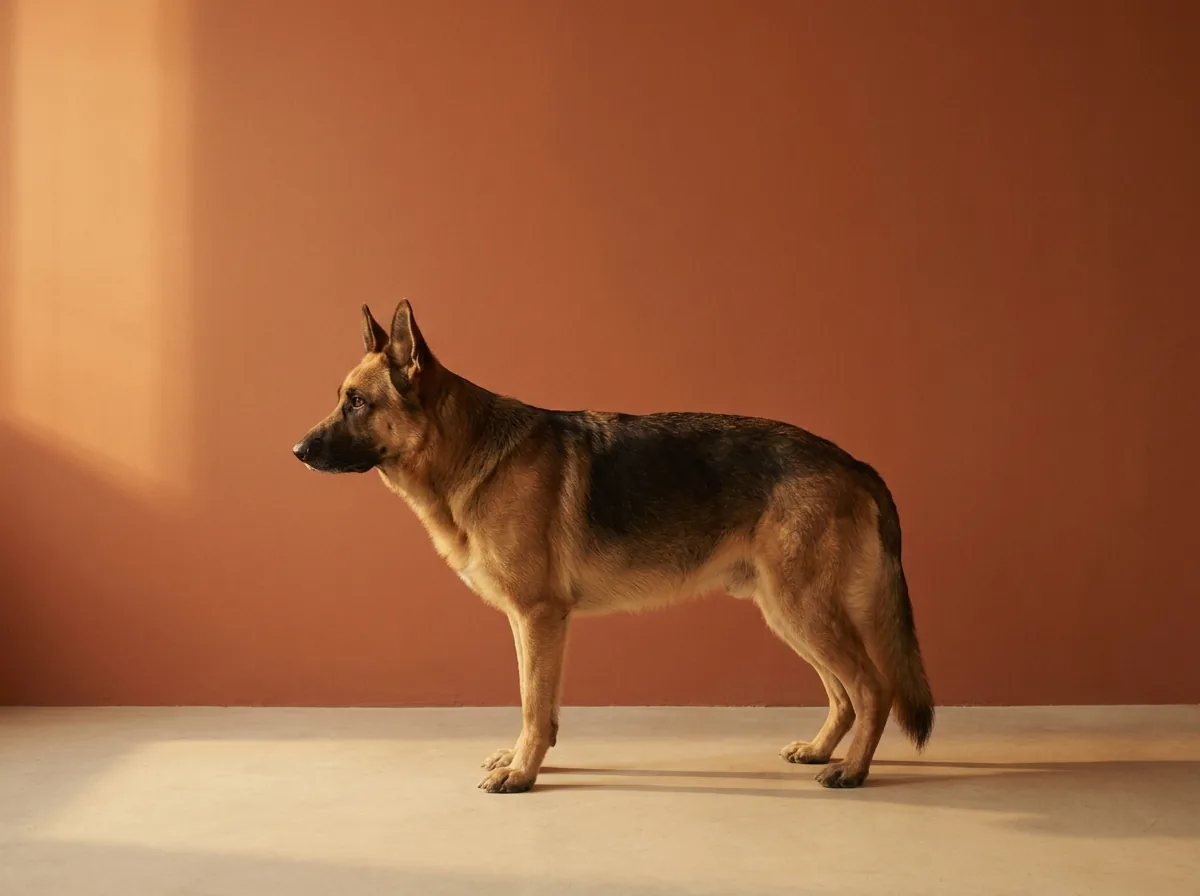
PWS·374 · DOG · GERMANY · LARGE
German Shepherd
The German Shepherd is one of the world's most versatile and widely used working breeds, excelling in police, military, search-and-rescue, and service roles. Developed in Germany in the late 19th century by Captain Max von Stephanitz, they combine intelligence, agility, and unwavering loyalty. As family dogs, they are devoted protectors who form deep bonds with their owners and thrive with consistent training and meaningful work.
Origin
Germany
Size
Large
Weight
22–40 kg
Lifespan
9–13 years
Section · 02 · Compatibility
Compatibility
Good with Kids
Yes
Good with Other Pets
Yes
Good for Apartments
Needs space
Section · 03 · Care Needs
Care Needs
Exercise Needs
High
Grooming
Regular brushing
Section · 04 · Common Health Issues
Common Health Issues
- Hip dysplasia
- Elbow dysplasia
- Degenerative myelopathy
- Bloat
- Exocrine pancreatic insufficiency
Section · 05 · Diet Tips
Diet Tips
Feed a high-protein diet with joint-supporting nutrients like glucosamine and omega-3 fatty acids. Avoid exercise immediately after meals to reduce the risk of bloat.
Section · 06 · Frequently asked questions
Frequently asked questions
Is the German Shepherd good with kids? +
Yes — the German Shepherd is generally good with children. Always supervise interactions between dogs and young kids, and teach kids how to approach dogs respectfully.
How much exercise does a German Shepherd need? +
The German Shepherd has high exercise needs — at least 60–90 minutes of vigorous activity daily, plus mental stimulation.
How long do German Shepherds live? +
On average, German Shepherds live 9–13 years. Lifespan depends on genetics, diet, exercise, and proactive vet care.
Is the German Shepherd good for apartments? +
The German Shepherd typically needs more space than an apartment provides. They do best in homes with a yard or close access to outdoor exercise.
What health issues are common in German Shepherds? +
German Shepherds can be prone to Hip dysplasia, Elbow dysplasia, Degenerative myelopathy. Working with a reputable breeder and routine vet check-ups help catch issues early.
Newsletter · PWS·374
Love German Shepherds?
Get our free new-German Shepherd-owner starter pack — feeding chart, vet checklist, and breed-specific name ideas.