Home · Dogs · Irish Water Spaniel
PWS·672 · DOG · IRELAND · LARGE
Irish Water Spaniel
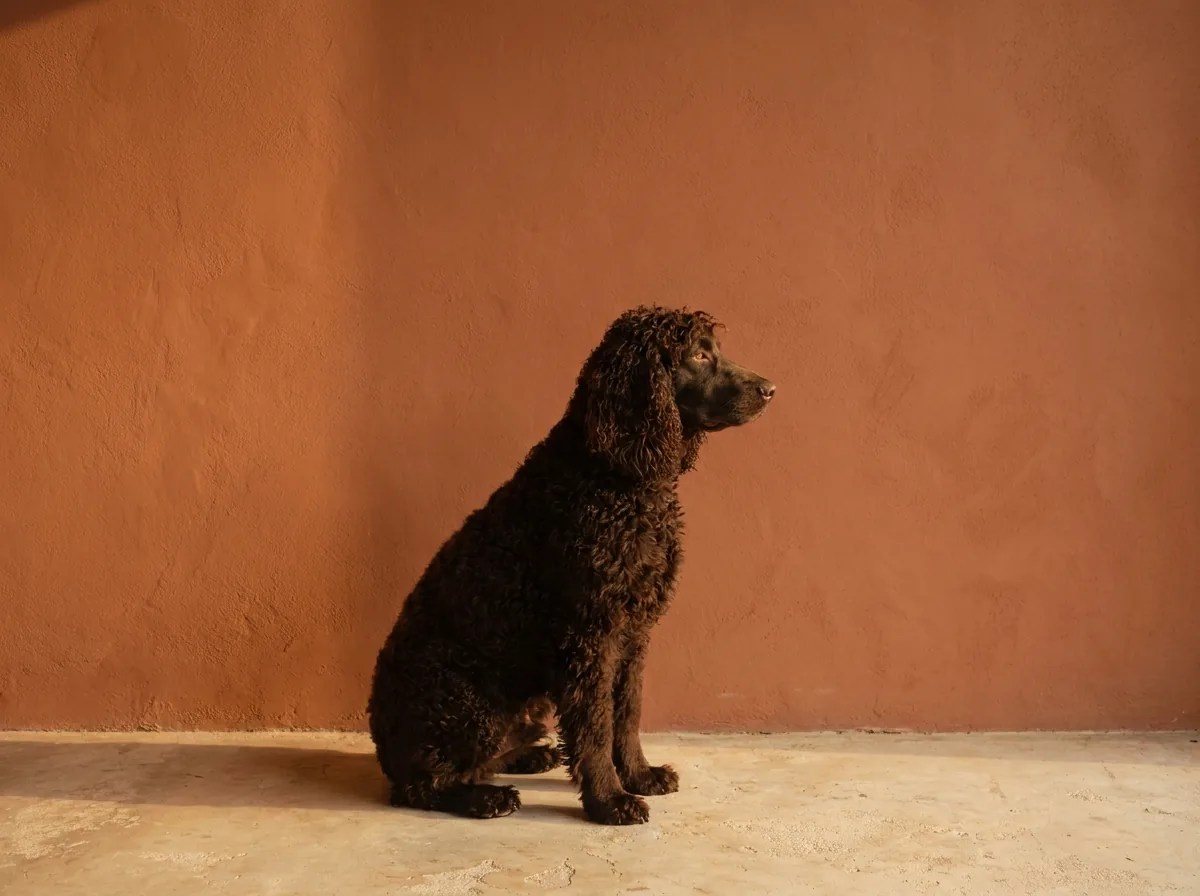
The Irish Water Spaniel is the largest and one of the oldest of the spaniel breeds, developed in Ireland for retrieving game from both water and land. They are immediately recognizable by their dense liver-colored curls covering the body and their distinctive smooth, rat-like tail. Irish Water Spaniels are playful, hardworking, and known for their clownish sense of humor.
Origin
Ireland
Size
Large
Weight
20–30 kg
Lifespan
10–12 years
Section · 02 · Compatibility
Compatibility
Good with Kids
Yes
Good with Other Pets
Yes
Good for Apartments
Needs space
Section · 03 · Care Needs
Care Needs
Exercise Needs
Very high
Grooming
Professional grooming
Section · 04 · Common Health Issues
Common Health Issues
- Hip Dysplasia
- Hypothyroidism
- Drug Sensitivity
Section · 05 · Diet Tips
Diet Tips
Feed a high-quality diet for large active breeds and be aware of the breed's sensitivity to certain drugs.
Section · 06 · Frequently asked questions
Frequently asked questions
Is the Irish Water Spaniel good with kids? +
Yes — the Irish Water Spaniel is generally good with children. Always supervise interactions between dogs and young kids, and teach kids how to approach dogs respectfully.
How much exercise does a Irish Water Spaniel need? +
The Irish Water Spaniel has very high exercise needs — 2+ hours of vigorous activity daily, ideally including running, hiking, or working sports.
How long do Irish Water Spaniels live? +
On average, Irish Water Spaniels live 10–12 years. Lifespan depends on genetics, diet, exercise, and proactive vet care.
Is the Irish Water Spaniel good for apartments? +
The Irish Water Spaniel typically needs more space than an apartment provides. They do best in homes with a yard or close access to outdoor exercise.
What health issues are common in Irish Water Spaniels? +
Irish Water Spaniels can be prone to Hip Dysplasia, Hypothyroidism, Drug Sensitivity. Working with a reputable breeder and routine vet check-ups help catch issues early.
Newsletter · PWS·672
Love Irish Water Spaniels?
Get our free new-Irish Water Spaniel-owner starter pack — feeding chart, vet checklist, and breed-specific name ideas.