Home · Dogs · Poodle
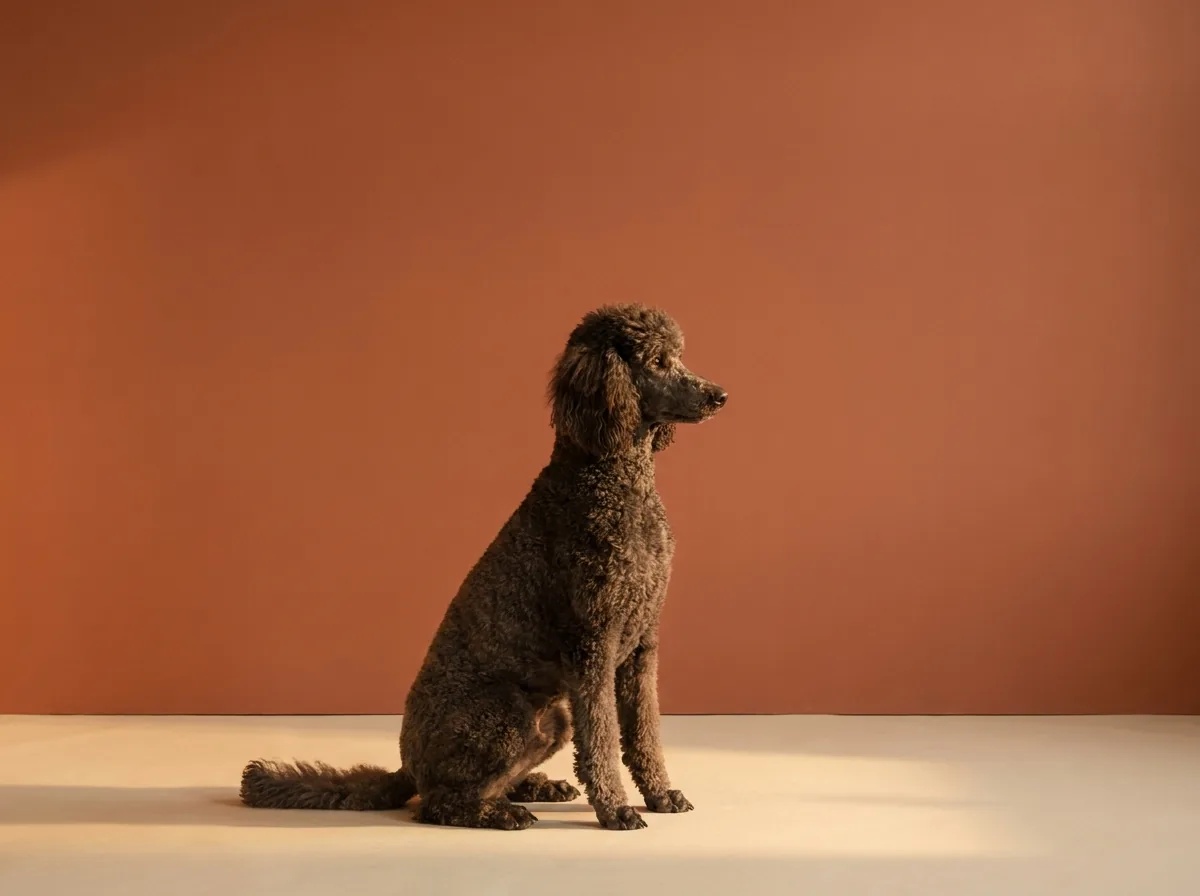
PWS·093 · DOG · GERMANY · MEDIUM
Poodle
The Poodle is consistently ranked among the most intelligent dog breeds in the world, making them exceptional learners and performers across dog sports and obedience work. Originally developed in Germany as a water retriever, the Poodle comes in three size varieties — Standard, Miniature, and Toy — each sharing the same curly, low-shedding coat that is well-suited for allergy sufferers. Their elegance, athleticism, and keen mind make them beloved companions and show dogs worldwide.
Origin
Germany
Size
Medium
Weight
20–32 kg
Lifespan
12–15 years
Section · 02 · Compatibility
Compatibility
Good with Kids
Yes
Good with Other Pets
Yes
Good for Apartments
Yes
Section · 03 · Care Needs
Care Needs
Exercise Needs
High
Grooming
Professional grooming
Section · 04 · Common Health Issues
Common Health Issues
- Hip dysplasia
- Progressive retinal atrophy
- Sebaceous adenitis
- Bloat
- Addison's disease
Section · 05 · Diet Tips
Diet Tips
Feed a balanced, high-quality diet appropriate to the size variety (Toy, Miniature, or Standard). Poodles can be prone to digestive sensitivities, so consistent meal times and limited ingredient foods may help.
Section · 06 · Frequently asked questions
Frequently asked questions
Is the Poodle good with kids? +
Yes — the Poodle is generally good with children. Always supervise interactions between dogs and young kids, and teach kids how to approach dogs respectfully.
How much exercise does a Poodle need? +
The Poodle has high exercise needs — at least 60–90 minutes of vigorous activity daily, plus mental stimulation.
How long do Poodles live? +
On average, Poodles live 12–15 years. Lifespan depends on genetics, diet, exercise, and proactive vet care.
Is the Poodle good for apartments? +
Yes — the Poodle can adapt well to apartment living as long as their daily exercise needs are met.
What health issues are common in Poodles? +
Poodles can be prone to Hip dysplasia, Progressive retinal atrophy, Sebaceous adenitis. Working with a reputable breeder and routine vet check-ups help catch issues early.
Newsletter · PWS·093
Love Poodles?
Get our free new-Poodle-owner starter pack — feeding chart, vet checklist, and breed-specific name ideas.